
Contents
Overview
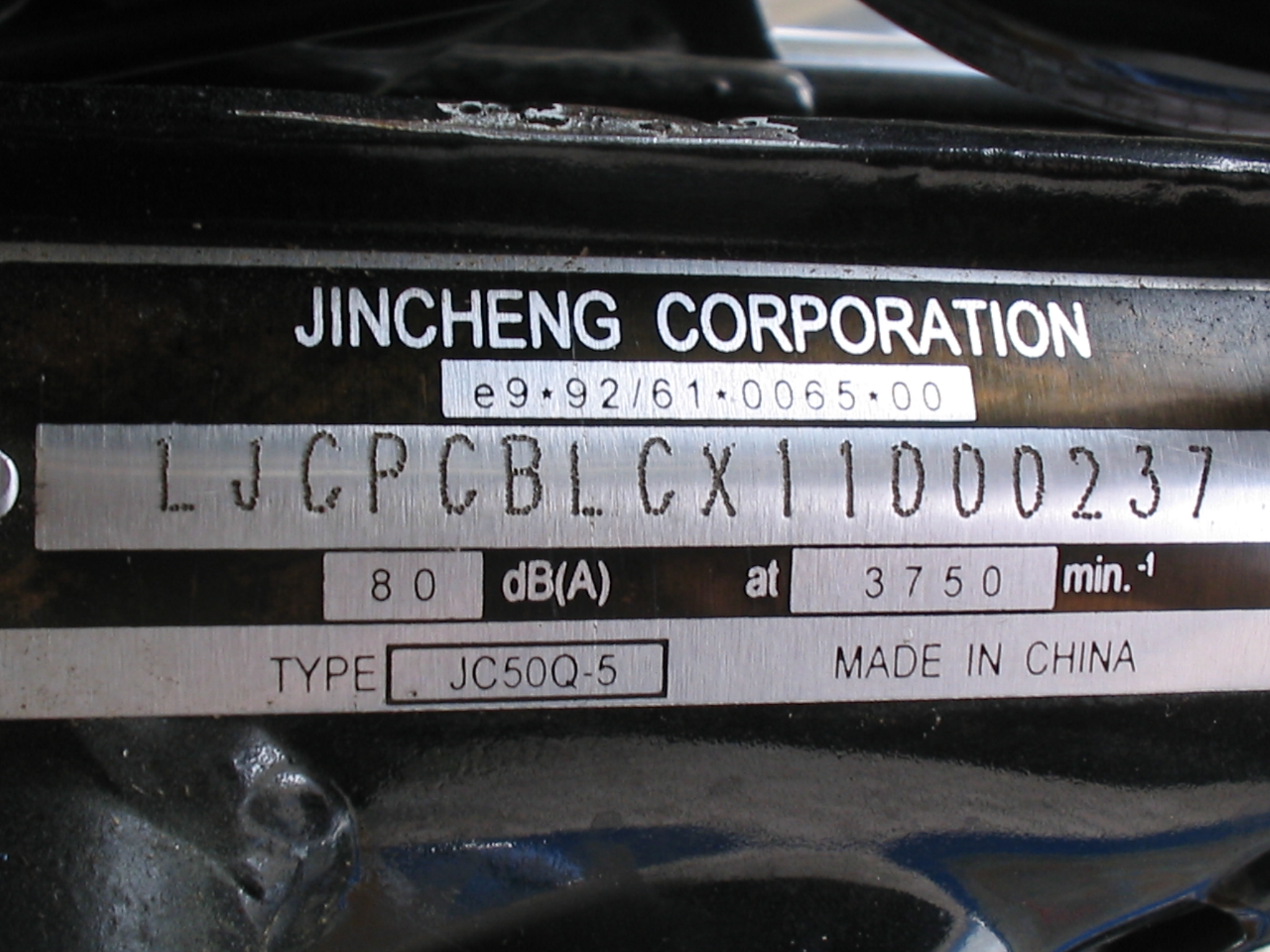
The vehicle identification number (VIN) is typically located on the driver's side dashboard or on the driver's side doorjamb. The VIN is used by law enforcement agencies to track stolen vehicles, and by insurance companies to verify vehicle ownership. According to the National Automobile Dealers Association (NADA), the VIN is used by many car buyers to research a vehicle's history before making a purchase. The Federal Bureau of Investigation (FBI) also uses the VIN to track stolen vehicles.
🎵 Origins & History
The concept of the vehicle identification number has its roots in the early 20th century, when the automotive industry first began to standardize vehicle production. The vehicle identification number is typically located on the driver's side dashboard or on the driver's side doorjamb.
⚙️ How It Works
The VIN is used by law enforcement agencies to track stolen vehicles, and by insurance companies to verify vehicle ownership. For example, the Federal Bureau of Investigation (FBI) uses the VIN to track stolen vehicles.
📊 Key Facts & Numbers
There are several key facts and numbers that are associated with vehicle identification numbers. According to the National Automobile Dealers Association (NADA), the VIN is used by many car buyers to research a vehicle's history before making a purchase.
👥 Key People & Organizations
There are several key people and organizations that are associated with vehicle identification numbers. For example, the National Highway Traffic Safety Administration (NHTSA) and the International Organization for Standardization (ISO) are involved in the development of standards for vehicle identification numbers.
🌍 Cultural Impact & Influence
The vehicle identification number has had a significant cultural impact and influence on the automotive industry. For example, the VIN has made it possible for vehicle owners and buyers to access information about a vehicle's history and condition, which has helped to prevent fraud and ensure vehicle safety.
⚡ Current State & Latest Developments
The current state of vehicle identification numbers is one of continued evolution and improvement. For example, vehicle history services are using advanced technology to provide potential car owners with more detailed and accurate information about a vehicle's history and condition.
🤔 Controversies & Debates
There are several controversies and debates surrounding vehicle identification numbers. For example, some critics have argued that the use of VINs to track vehicle ownership and location raises significant privacy concerns. However, proponents of the VIN system argue that it is an important tool for preventing fraud and ensuring vehicle safety.
🔮 Future Outlook & Predictions
The future outlook for vehicle identification numbers is one of continued innovation and improvement. For example, the use of advanced technology such as blockchain and artificial intelligence is expected to improve the accuracy and reliability of the VIN system.
💡 Practical Applications
The vehicle identification number has several practical applications. For example, it can be used to verify vehicle ownership and prevent fraud.
Key Facts
- Category
- vehicle-registration
- Type
- topic